Ever notice a child who seems to blend into the background, yet their behavior hints at something deeper? The question “why do some children show only subtle autism signs” often pops up in school halls, pediatrician offices, and parenting forums. It’s a mystery that can feel as elusive as a whisper in a crowded room. In this guide, we’ll explore why subtle signs appear, what they look like, and how parents, teachers, and clinicians can spot them early—without turning every child into a diagnostic suspect.
The Spectrum of Signs
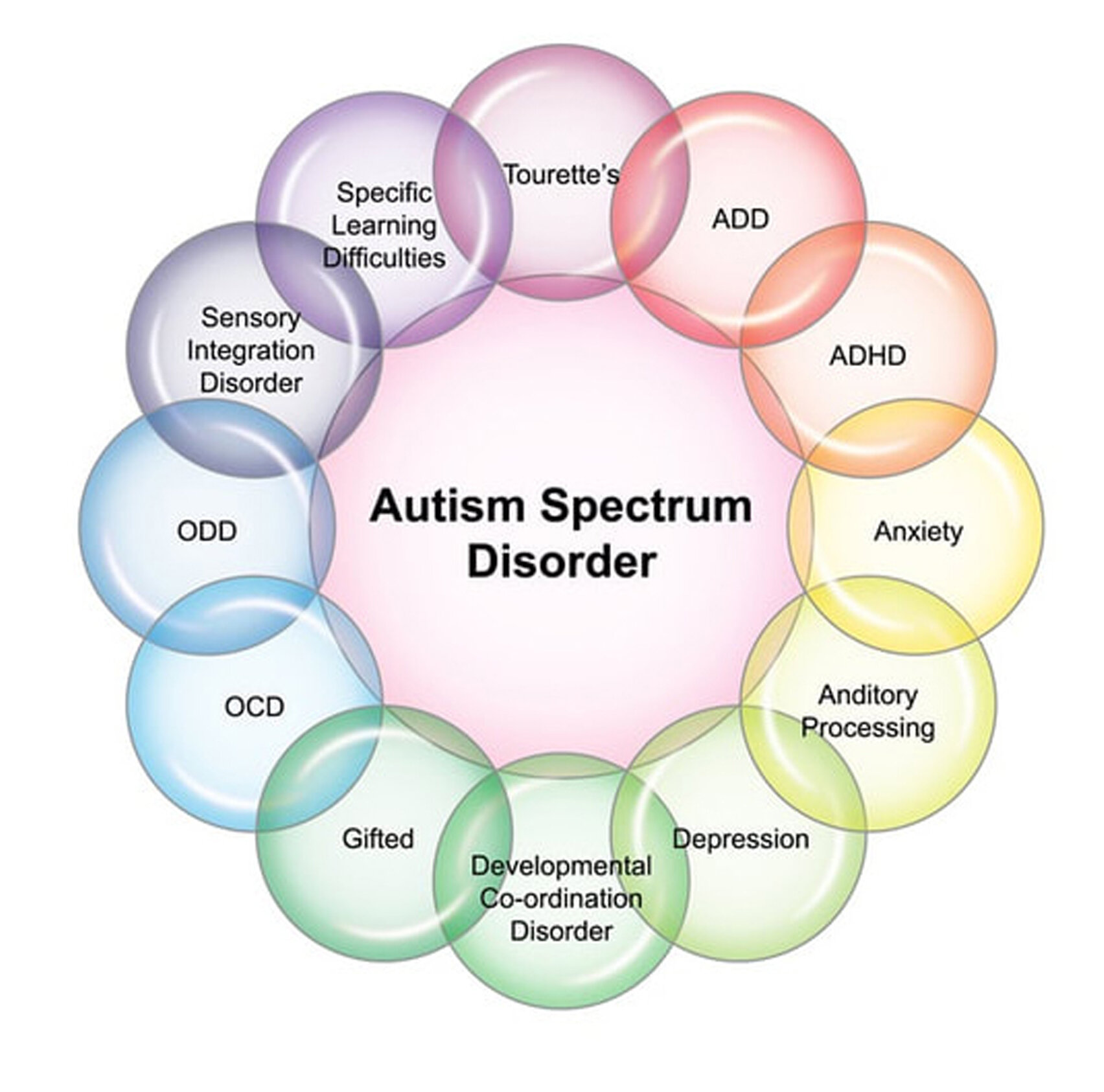
Autism spectrum disorder (ASD) is, by definition, a spectrum. It ranges from highly visible behaviors—such as intense repetitive movements or glaring social withdrawal—to https://shanedabt799.cavandoragh.org/adult-autism-assessment-difficulty-accessing-therapy-for-anxiety-what-you-need-to-know quieter, more nuanced patterns that can slip past even seasoned observers. Understanding this breadth is the first step toward recognizing subtle manifestations.
Visible vs. Subtle Behaviors
- Highly Visible: Repetitive hand-flapping, intense focus on specific objects, or extreme sensory sensitivities. Subtle: Slight delays in initiating conversation, a preference for solitary play that doesn’t raise alarms, or a tendency to avoid eye contact only in certain contexts.
Anecdote: When Maya’s mother first noticed her daughter’s reluctance to join group games, she assumed shyness. It wasn’t until a school counselor asked about Maya’s favorite topics—she could talk for hours about the solar system—did the subtle autism signs become clearer.
Why the Signs Can Be Subtle
The question “why do some children show only subtle autism signs” has several intertwined answers. It’s not a single cause but a combination of biological, environmental, and developmental factors.
Biological Foundations
- Genetic Variability: Some genetic markers linked to ASD produce milder symptoms. Neurodiversity: The brain’s wiring can differ in ways that don’t manifest as overt behaviors.
Developmental Timing
- Early Adaptation: Children may develop coping strategies early on, masking difficulties. Social Context: In familiar settings, subtle signs may appear only when the child feels safe or stressed.
Environmental Influences
- Supportive Home Life: A nurturing environment can help children compensate, making signs less obvious. Cultural Expectations: Some cultures value quietness, which can blur the line between introversion and autism.
Metaphor: Think of subtle autism signs as a quiet river that runs beneath a bustling street—visible only when you look beneath the surface.
Challenges for Parents and Educators
When the clues are faint, the risk of delayed diagnosis increases. Parents and teachers often face a dilemma: intervene early or wait for more pronounced symptoms.
Common Pitfalls
- Assuming Normalcy: Many subtle signs are mistaken for typical developmental variations. Overlooking Context: A child who is fine in a one-on-one setting may struggle in a group, yet this nuance can be missed.
Rhetorical question: Have you ever wondered why a child who excels in math might still feel isolated during recess?
Practical Tips for Spotting Subtle Signs
- Observe patterns rather than isolated incidents. Use a checklist of subtle behaviors (e.g., delayed response to name, preference for routine). Maintain an open dialogue with the child—ask about feelings and interests in a non-judgmental way.
Quote: “The most subtle signs are often the most Autistic burnout telling,” says Dr. Temple Grandin, who emphasizes the importance of listening to children’s inner worlds.
Tools for Early Recognition
Early identification is the linchpin of effective support. A variety of tools can help detect subtle autism signs before they become entrenched.
Screening Instruments
- Modified Checklist for Autism in Toddlers (M-CHAT): Adapted versions can flag milder concerns. Social Responsiveness Scale (SRS): Assesses social interaction subtleties.
Observation Protocols
- Naturalistic Observation: Watch children in everyday settings—playground, classroom, home. Video Analysis: Recording can reveal micro-expressions and subtle social cues missed in real time.
Bullet points for quick reference:
- Ask the right questions: “What makes you feel safe?” Track changes: Keep a simple log of behavior over weeks. Seek professional guidance: Early intervention specialists can provide nuanced assessments.
Supporting Growth and Inclusion
Once subtle signs are identified, the goal shifts from diagnosis to support. Inclusive strategies empower children to thrive without forcing them into rigid molds.
Individualized Education Plans (IEPs)
- Focus on strengths—many children with subtle signs excel in visual or musical domains. Incorporate flexible routines to reduce anxiety.
Family and Community Engagement
- Peer Buddy Programs: Pair children to foster social interaction. Parent Workshops: Equip families with coping strategies and advocacy tools.
Humor moment: Think of the classroom as a symphony; each child plays a different instrument. Even the quietest violin can add depth to the whole performance.
Navigating the Quiet Path Forward
Understanding why some children show only subtle autism signs is the first step; navigating the path forward is where action turns into impact.
When subtle signs surface, the response should be gentle, patient, and proactive.

- Celebrate small victories: A child who initiates conversation after a week of hesitation deserves applause. Build a support network: Connect with specialists, educators, and peer groups. Keep learning: Autism research evolves rapidly; staying informed helps adjust strategies.
Remember, early support is not about labeling but about unlocking potential. By listening closely to the quiet signals, we give every child the chance to shine—whether they do so loudly or softly.
If you suspect your child may exhibit subtle autism signs, consider reaching out to a pediatrician or developmental specialist. Early conversation can lead to early support, which in turn opens doors to growth, inclusion, and a brighter future.