Finding a place where you feel understood can feel like searching for a needle in a haystack—especially when you’re looking for a support group that speaks your language. If you’re wondering where can I find autism support groups for girls, you’re not alone. Many girls and young women on the spectrum face unique challenges, from social nuances to hormonal shifts, that generic groups may overlook. This article will walk you through the why, the where, and the how, sprinkled with a dash of humor to keep the journey light.
Understanding the Need for Gender‑Specific Support
Autism doesn’t come with a one‑size‑fits‑all manual. While boys often get the spotlight, girls are just as likely to be on the spectrum—sometimes hidden behind a veil of social camouflage. This camouflage can delay diagnosis, leaving many girls without tailored support during critical developmental years.
The Hidden Challenges
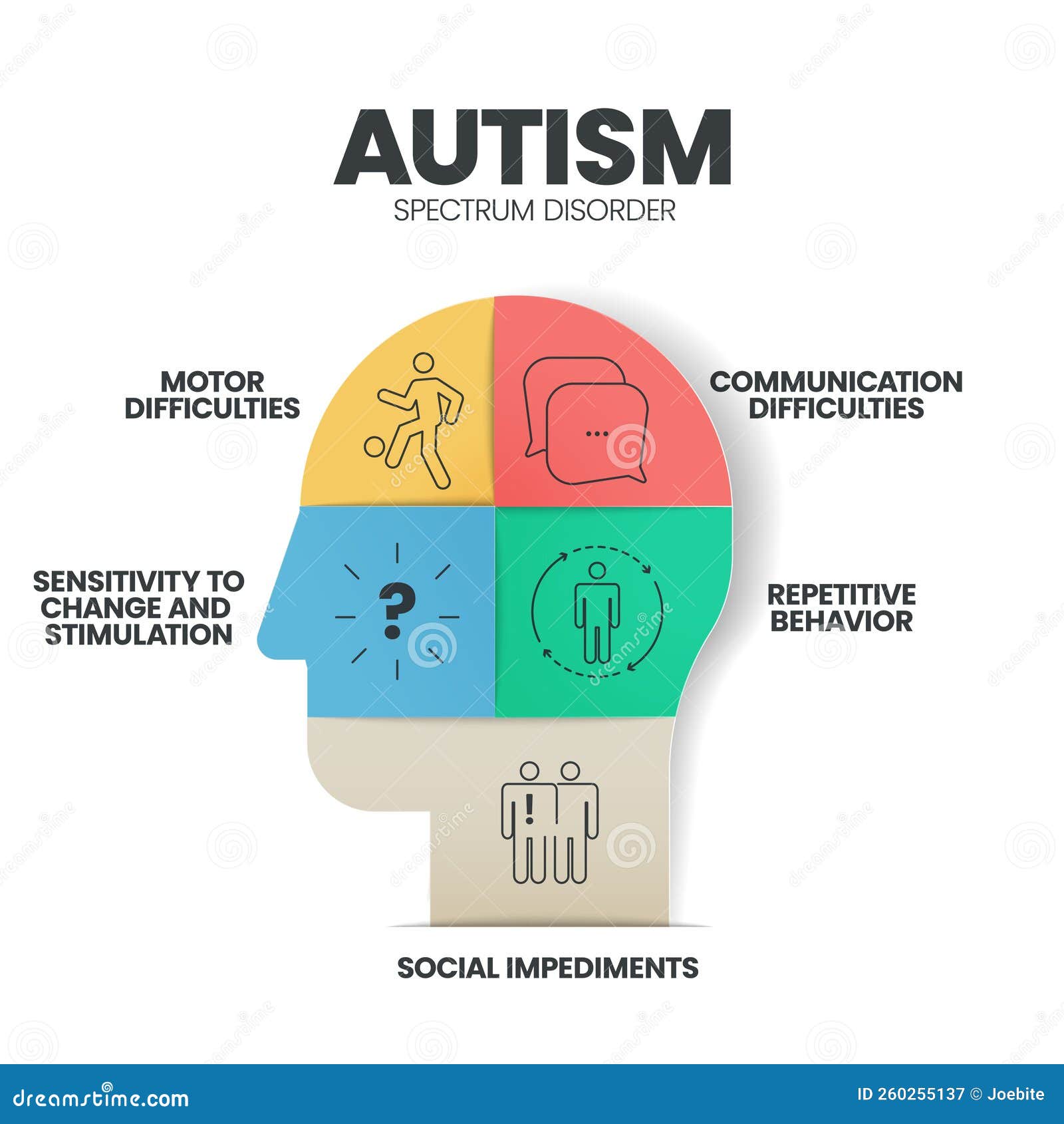
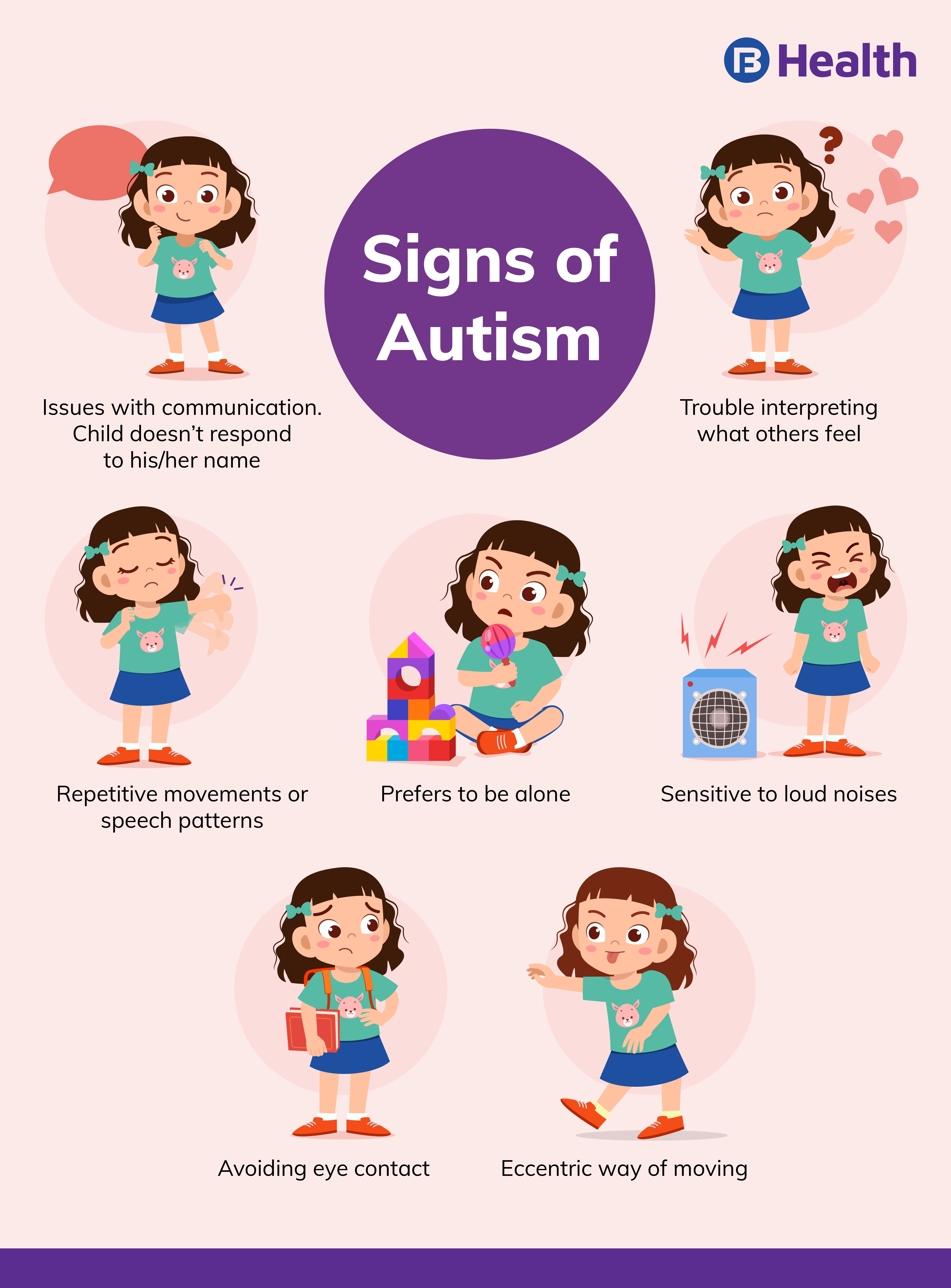
- Social Camouflage: Girls may mimic peers, masking their struggles. Sensory Sensitivities: Different sensory profiles can affect school and social settings. Emotional Regulation: Hormonal changes add another layer of complexity. Under‑diagnosis: Many girls receive a diagnosis later, missing early intervention.
These nuances underscore why a dedicated group matters. It’s like having a custom‑tailored suit versus a generic one—both Limited eye contact fit, but the tailored version feels better.
Where to Look: Online Resources
The internet is a treasure trove, but it can also feel like a maze. Start with reputable platforms that focus on autism and gender.
Key Websites to Explore
- Autistic Women & Nonbinary Network (AWN) – Offers forums, events, and a directory of local groups. The Mighty – Features personal stories and community discussions. Facebook Groups – Search for “Autism Support for Girls” or “Girls on the Spectrum.” Filter by your location. Meetup.com – Look for local autism meet‑ups or support circles.
How to Vet an Online Group
- Check Moderation: Healthy groups have active moderators to maintain a respectful environment. Look for Regular Updates: Consistent posts signal an engaged community. Read the Guidelines: Clear rules help keep the space safe and supportive.
Remember, an online group can be a stepping stone to in‑person meetings, so keep an eye out for local chapters.
Local Options: Community Centers and Schools
While online groups are convenient, face‑to‑face interactions can deepen connections. Many schools, hospitals, and community centers host or sponsor autism support groups tailored for girls.
Schools and Universities
- Special Education Departments: Ask about after‑school clubs or peer‑support circles. University Student Associations: Some universities have autism student groups with outreach programs.
Hospitals and Clinics
- Pediatric Neurology Departments: Often partner with local support groups. Mental Health Clinics: Look for gender‑specific therapy groups.
Community Centers
- Local Libraries: Some host support circles or discussion groups. Youth Centers: Check bulletin boards for upcoming meetings.
When reaching out, ask: “Do you have a support group specifically for girls on the autism spectrum?” A simple question can open doors you didn’t know existed.
Choosing the Right Group: What to Consider
Finding a group is one thing; finding the right fit is another. Think of it as choosing a playlist—you want the right tempo and vibe.
Compatibility Factors
- Group Size: Smaller groups may allow deeper conversations; larger ones offer diverse perspectives. Facilitator Background: A certified autism specialist or a peer leader can shape the group’s tone. Meeting Frequency: Weekly versus monthly—pick what aligns with your schedule. Location and Accessibility: Is it near home or work? Is public transport available?
Questions to Ask
What’s the group’s main focus—social skills, coping strategies, or general support? Are there any costs involved? How is confidentiality handled? A good group will answer these transparently. If they’re vague, it might be a sign to look elsewhere.Making the Most of Your Experience
Once you’ve found a group, the next step is active participation. Engagement turns a https://www.scribd.com/document/954088946/What-Are-the-Benefits-of-Early-Autism-Assessment-for-Children-in-Australia-153598 passive attendee into an empowered member.
Tips for Active Participation
- Set Personal Goals: Identify what you want to gain—better social skills, a supportive friend circle, or coping techniques. Share When Comfortable: Your story can inspire others; remember, vulnerability is a strength, not a weakness. Attend Regularly: Consistency builds trust and rapport. Offer Help: Even small gestures—organizing a group event or sharing resources—strengthen bonds.
A Light‑Hearted Anecdote
Last month, Lily, a 15‑year‑old with autism, joined a local girls’ support group. She was nervous, but the facilitator introduced a “fun facts” icebreaker. Lily shared that she could recite the entire periodic table in order—a skill that made everyone laugh and eased her nerves. That small moment turned her into a beloved member of the group, proving that a quirky talent can be a great conversation starter.
A Quote to Keep in Mind
> “In the middle of difficulty lies opportunity.” – Albert Einstein
When challenges arise—perhaps a tough meeting or a difficult conversation—remember that each hurdle offers a chance to grow and learn.
Making Your Selection Count
Choosing the right support group is a strategic decision, much like picking the right tool for a project. Think of each group as a potential partner in your journey toward self‑advocacy and confidence.
- Align with Your Goals: Does the group focus on the areas you need? Check the Culture: Is it welcoming, inclusive, and respectful? Assess the Logistics: Time, location, and cost should fit your lifestyle. Trial Period: Attend a few meetings before committing long‑term.
Once you find a group that feels like home, you’ll have a network that’s ready to lift you up, celebrate your wins, and help you navigate the bumps along the way.
---
Finding where can I find autism support groups for girls is more than a search—it’s a quest for belonging. By exploring online hubs, local resources, and carefully evaluating each group, you’ll uncover communities that resonate with your unique experience. Remember, you’re not alone on this path; every step forward brings you closer to a circle that understands, supports, and celebrates you. So, take that first step—whether it’s clicking “join” on a Facebook group or dialing a local community center—and start building the support network you deserve.